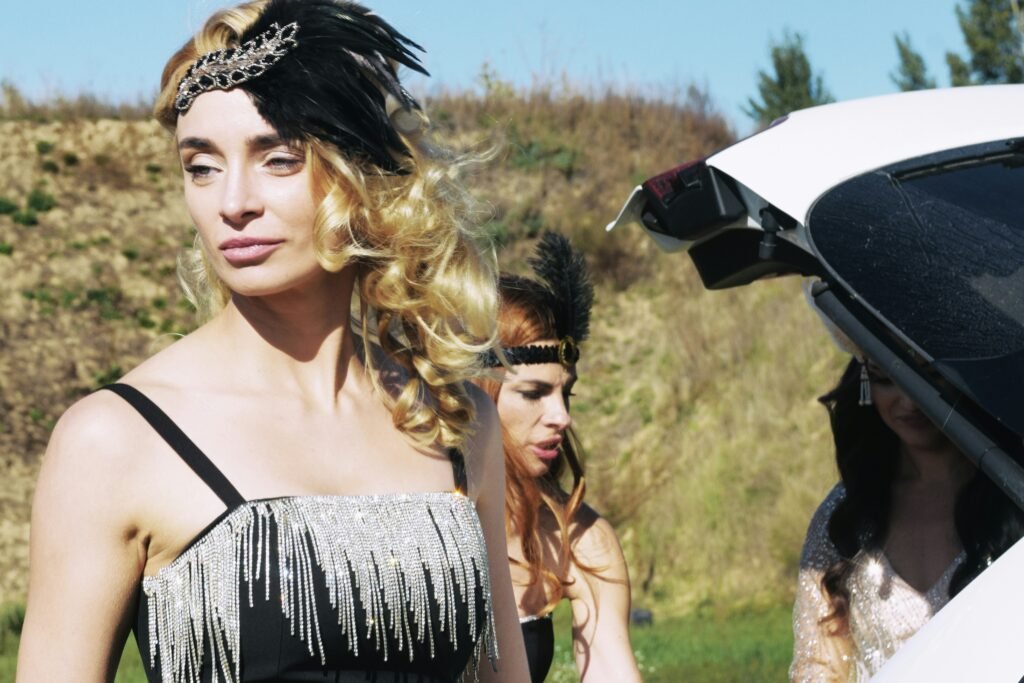

The 1920s was a very special time in fashion history. Clothes became more relaxed, bold, and fun. People wanted freedom after World War I, and fashion showed that change clearly. When we talk about 1920 fashion patterns, we talk about designs that still inspire clothing today. These patterns were stylish, artistic, and full of life.
In this blog post, we will explore what made 1920 fashion patterns so unique. We will look at popular designs, fabrics, colors, and how these patterns are still used today.
What Made 1920 Fashion Patterns Special
The 1920s was also known as the “Roaring Twenties.” Life became faster, louder, and more exciting. Fashion followed the same path. Women stopped wearing tight corsets and chose loose dresses instead. Men also started wearing more comfortable clothing.
One special thing about 1920 fashion patterns was their freedom. Patterns were no longer simple or boring. Designers used shapes, lines, and details to make clothing stand out. Dresses were not tight anymore, so patterns could flow freely across the fabric.
Another important change was that clothes were made for movement. People loved dancing, especially jazz dancing. Because of this, patterns were designed to look beautiful when moving. Fringe, beads, and repeated shapes helped clothes shine on the dance floor.
Popular Patterns in 1920s Women’s Fashion
Women’s fashion changed the most during this time. Dresses became shorter, usually reaching the knees. The most famous style was the flapper dress. These dresses showed many classic 1920 fashion patterns that are still loved today.
One common pattern was geometric shapes. Designers used squares, triangles, zigzags, and straight lines. These shapes gave dresses a modern and bold look. Many patterns were inspired by Art Deco, which was very popular in the 1920s.
Floral patterns were also used, but they looked different from earlier years. Instead of soft flowers, 1920s flowers were often stylized and simple. They were repeated neatly across the fabric to create balance and beauty.
Art Deco Influence on 1920 Fashion Patterns
Art Deco played a huge role in shaping fashion during the 1920s. This art style focused on luxury, symmetry, and clean lines. Many 1920 fashion patterns were inspired directly by Art Deco designs.
Art Deco patterns often used repeating shapes and bold lines. These patterns looked rich and elegant. Gold, silver, black, and deep colors were often used together. Dresses with Art Deco patterns looked expensive and stylish.
Designers loved using contrast in patterns. Light and dark colors were placed next to each other to make the design pop. This made dresses eye-catching, especially under bright lights at parties and events.
Fabrics Used for 1920 Fashion Patterns
The fabric was just as important as the pattern itself. Lightweight fabrics were very popular in the 1920s. These fabrics allowed patterns to move and flow easily.
Silk was one of the most common fabrics used. It was smooth and shiny, which helped patterns look elegant. Chiffon and satin were also popular choices. These fabrics made dresses look soft and graceful.
Because fabrics were light, patterns could be detailed without making the clothing heavy. Beading and embroidery were often added on top of printed patterns. This extra detail made outfits look glamorous and rich.
Men’s Clothing and 1920 Fashion Patterns
Men’s fashion in the 1920s was more simple than women’s, but patterns were still important. Suits were very popular, and they often included subtle patterns.
Pinstripes were one of the most common patterns in men’s clothing. These thin lines made suits look smart and professional. Checkered and plaid patterns were also worn, especially in casual wear.
Even though men’s patterns were simpler, they still reflected the style of the time. Clean lines and neat designs matched the modern feeling of the 1920s. These patterns helped men look stylish without being too flashy.
Colors Used in 1920 Fashion Patterns
Colors played a big role in making patterns stand out. Many 1920 fashion patterns used bold and rich colors. Black, gold, silver, red, and deep blue were very popular.
Pastel colors were also used, especially in daytime clothing. Soft pink, light green, and pale yellow created a gentle and classy look. These colors worked well with floral and simple geometric patterns.
Designers often mixed colors in creative ways. High contrast was popular, which made patterns easy to notice. This helped clothes look exciting and modern at the same time.
Accessories and Pattern Matching
Accessories were very important in the 1920s. Hats, scarves, shoes, and handbags often matched or complemented clothing patterns. This made outfits look complete and well-planned.
Scarves with bold patterns were worn around the neck or head. Hats sometimes had patterned ribbons or decorations. Even shoes could include small pattern details.
Matching patterns with accessories showed style and confidence. People paid attention to details, and patterns helped express personality and mood.
How 1920 Fashion Patterns Inspire Modern Style
Even today, designers love looking back at the 1920s for inspiration. Many modern dresses, especially party and evening dresses, use 1920 fashion patterns in new ways.
Geometric shapes, fringe details, and Art Deco designs often appear in today’s fashion. Vintage-style dresses are popular for weddings, themed parties, and special events.
Modern designers mix old patterns with new fabrics and cuts. This keeps the spirit of the 1920s alive while making clothes comfortable for today’s world.
Why 1920 Fashion Patterns Still Matter
The 1920s changed fashion forever. Patterns from this era showed freedom, creativity, and confidence. People used clothing to express joy and individuality.
1920 fashion patterns remind us of a time when style became more relaxed and artistic. These patterns helped fashion move forward and become more expressive.
That is why these designs are still loved today. They are not just old styles—they are timeless ideas that continue to inspire fashion all over the world.
Final Thoughts
The beauty of 1920 fashion patterns lies in their boldness and elegance. From geometric shapes to flowing fabrics, these patterns captured the spirit of a new and exciting era. Whether in vintage clothing or modern designs, the influence of the 1920s is still strong.