
Table of Contents
What Is a 12 Hole Ocarina?
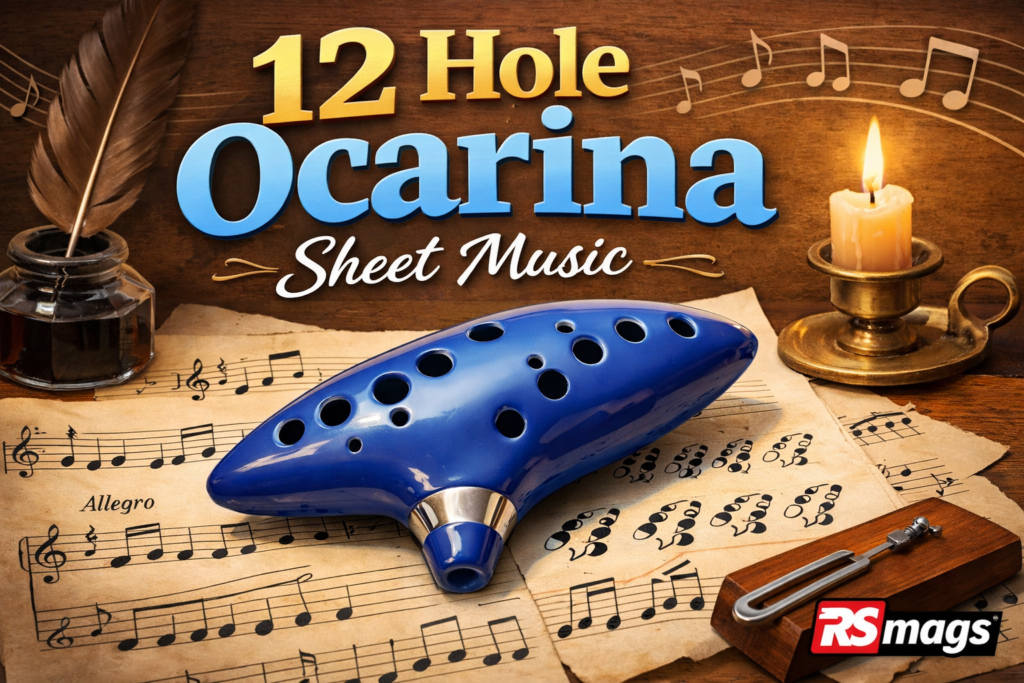
The 12 hole ocarina is a small, ancient wind instrument that produces a beautiful, pure tone capable of playing a wide range of notes. Unlike smaller ocarinas that have fewer holes, the 12 hole version allows players to play more complex melodies and songs because it covers a broader scale, usually over one and a half octaves. This makes it ideal for beginners who want to learn simple tunes, as well as advanced players who enjoy performing more intricate music. The 12 holes are arranged so that your fingers can cover different combinations to create various notes, giving the instrument its flexibility. Many musicians prefer the 12 hole ocarina because it balances simplicity with versatility—it is easy to hold and play while offering enough notes for full songs. Whether you are a hobbyist wanting to play your favorite game themes, folk songs, or holiday music, the 12 hole ocarina opens the door to endless musical possibilities.
The charm of the 12 hole ocarina also comes from its history and portability. Originally used in cultures around the world, from ancient China to South America, the ocarina has evolved into a modern musical instrument loved by performers and casual players alike. Because it is compact and light, you can carry it anywhere, practice comfortably, and even perform live without needing complex setups. With the right 12 hole ocarina sheet music, anyone can start playing popular songs quickly, making this instrument accessible and enjoyable for all ages.
How to Read 12 Hole Ocarina Sheet Music
Reading 12 hole ocarina sheet music can seem tricky at first, but once you understand the basics, it becomes simple and enjoyable. Sheet music for a 12 hole ocarina usually comes in two forms: traditional music notation and tablature. Traditional music notation shows the notes on a staff and tells you how long to hold each note, while tablature is more visual and indicates exactly which holes to cover on your ocarina to play each note. Understanding how the holes correspond to notes is essential because each combination of covered and uncovered holes produces a different pitch. Most beginner sheet music includes a fingering chart alongside the notes, which makes it easier to play songs without memorizing the exact positions. With practice, reading sheet music becomes second nature, and you will start recognizing patterns that make playing faster and more intuitive.
Using 12 hole ocarina sheet music also helps you develop better timing and rhythm because it clearly indicates the length of each note and the pace of the song. Many players start with simple melodies using just a few notes and gradually move to more complex pieces as their finger dexterity and breath control improve. Learning to read sheet music allows you to play a much wider variety of songs compared to relying solely on memory or tabs, and it makes it easier to adapt songs written for other instruments to the ocarina. Once you are comfortable with reading sheet music, you can also experiment with improvisation and create your own melodies, giving you complete musical freedom. Practicing regularly with 12 hole ocarina sheet music not only improves your ability to read notes but also builds confidence, helping you enjoy the full expressive potential of this beautiful instrument.
Where to Find Free and Paid 12 Hole Ocarina Sheet Music
Finding 12 hole ocarina sheet music has become much easier thanks to the growing community of ocarina enthusiasts and the abundance of online resources. There are many websites that offer free sheet music for beginners and advanced players alike, covering popular songs, folk tunes, holiday music, and even video game themes. Free resources often include downloadable PDFs and printable tabs, which are especially helpful for players who want to practice offline or carry their music with them. Some sites also provide video tutorials alongside sheet music, allowing you to see finger positions in action while following along with the notes. Paid sheet music collections are another excellent option, as they often include professionally arranged pieces, more complex songs, and organized songbooks that make learning systematically easier. Investing in a good sheet music book or digital collection can save time and offer higher-quality arrangements that are more accurate and enjoyable to play, which is particularly valuable for those looking to perform for others or improve their technical skills.
Whether you choose free or paid 12 hole ocarina sheet music, it’s important to consider the type of songs you want to play and your skill level. Many beginners start with simple, well-known tunes that gradually introduce new notes and rhythms, allowing them to build confidence and finger dexterity. Advanced players may look for sheet music that challenges them with more complex melodies, harmonies, and faster passages, helping them expand their musical range and technique. Some musicians also adapt sheet music written for other instruments, like the flute or violin, to the 12 hole ocarina, which can be a fun way to explore a wider variety of music. With a little patience and consistent practice, finding and using 12 hole ocarina sheet music can turn your ocarina practice into a rich and rewarding musical experience that combines learning, creativity, and enjoyment.
Most Popular 12 Hole Ocarina Sheet Music & Song Categories
When it comes to 12 hole ocarina sheet music, certain songs and categories stand out as favorites among beginners and experienced players alike. Many people start with simple children’s songs like “Twinkle Twinkle Little Star” or “Mary Had a Little Lamb,” which are perfect for learning finger positions and building confidence. Beyond beginner tunes, there are countless sheet music options for popular TV shows, movies, and video games, which have become extremely popular in the ocarina community. Themes from games like The Legend of Zelda or movies like Harry Potter offer melodies that are both recognizable and satisfying to play. Seasonal music such as Christmas carols or traditional folk songs also has a strong following because these tunes are often simple, melodic, and evoke nostalgia, making practice enjoyable and motivating. The variety in song categories ensures that every player can find music that matches their taste and skill level while still providing challenges that encourage improvement over time.
Exploring different types of 12 hole ocarina sheet music also helps players develop a well-rounded musical ability. For example, folk and traditional songs often include ornamentations, slides, and changes in tempo, which can improve breath control and timing. Pop and video game music may involve faster sequences and repeated patterns, helping with finger agility and memory. Classical arrangements or hymns introduce more complex harmonies and dynamics, giving players the chance to explore expression and musicality. Many ocarina players even experiment with combining different song styles, creating medleys or improvising variations based on sheet music. By playing a wide range of songs, musicians not only keep their practice engaging but also expand their understanding of rhythm, melody, and musical structure, making 12 hole ocarina sheet music an essential tool for learning, creativity, and enjoyment.
How to Use 12 Hole Ocarina Tablature vs Sheet Music
Understanding the difference between 12 hole ocarina tablature and sheet music is crucial for developing your playing skills and choosing the method that works best for you. Tablature, often called “tabs,” provides a visual representation of which holes to cover on your ocarina for each note, making it particularly useful for beginners or those who struggle with reading traditional music notation. It allows players to focus on finger placement and timing without worrying about reading notes on a staff, which can make learning new songs faster and more approachable. Sheet music, on the other hand, shows the exact pitch and rhythm of a piece, giving a more complete picture of the melody and musical structure. While it may take longer to learn, reading sheet music helps develop overall musicianship, including understanding key signatures, note durations, and dynamics. Both methods have their advantages, and many ocarina players use them together, starting with tablature for ease and gradually transitioning to sheet music for greater versatility and depth in playing.
Using 12 hole ocarina tablature versus sheet music also depends on the type of music you want to play and your long-term goals. For example, popular songs, video game themes, or simple folk tunes can be learned quickly with tablature because it tells you exactly where to place your fingers, which is especially helpful when learning by ear or practicing alone. Advanced players, however, often rely on sheet music to interpret more complex melodies, harmonies, and rhythms accurately, allowing them to perform with precision and musical expression. Combining both approaches can create a balanced learning process: tablature builds speed and confidence in finger placement while sheet music strengthens musical knowledge and creativity. Over time, as you become more comfortable reading notes and understanding rhythm, you may find yourself relying less on tabs and more on traditional sheet music, giving you the freedom to explore any song, adapt music from other instruments, and even create your own compositions.
Tips for Practicing With 12 Hole Ocarina Music
Practicing effectively with 12 hole ocarina sheet music is key to improving your skill and enjoying the instrument to its fullest. One of the most important tips is to start slowly and focus on accuracy rather than speed. Playing each note clearly and with the correct finger placement builds a solid foundation and prevents the development of bad habits. Using a metronome can help maintain a steady rhythm and gradually increase speed as you become more confident. Additionally, practicing scales and simple exercises before jumping into songs helps strengthen finger coordination and breath control, which are essential for playing longer pieces smoothly. Repetition is important, but it’s equally crucial to take breaks and avoid fatigue, as this can affect tone quality and learning efficiency. Many experienced ocarina players recommend practicing a little every day rather than long, infrequent sessions because consistent practice helps reinforce muscle memory and improves overall musicality.
Another effective approach when working with 12 hole ocarina sheet music is to break songs into small, manageable sections. Learning one phrase or measure at a time allows you to focus on difficult transitions, tricky rhythms, and challenging notes without feeling overwhelmed. Once each section is mastered, you can gradually combine them to play the entire piece confidently. Listening to recordings of the song you are learning can also be incredibly helpful, as it gives you a sense of the melody, timing, and expression, which can be difficult to grasp from sheet music alone. Experimenting with dynamics, such as playing softly or loudly, and practicing different tempos can enhance your musical interpretation and make your performance more expressive. By approaching practice thoughtfully and methodically, you can make steady progress, enjoy the learning process, and fully unlock the potential of your 12 hole ocarina sheet music, turning each practice session into an opportunity for both skill development and musical enjoyment.
How to Transpose Sheet Music for Your 12 Hole Ocarina
Transposing sheet music for the 12 hole ocarina is an essential skill for players who want to expand their repertoire beyond songs written specifically for the instrument. Transposition involves shifting all the notes of a song up or down in pitch so that it fits within the ocarina’s range, which is usually just over one and a half octaves. This is particularly useful when adapting music from other instruments like the flute, piano, or violin, which often include notes outside the ocarina’s playable scale. Learning to transpose helps players understand key signatures, intervals, and relationships between notes, which improves overall musicianship. Many ocarina players start with simple songs in C major, the most common key for 12 hole ocarinas, and gradually practice transposing these songs into other keys. By doing so, they gain a deeper understanding of music theory while also making it possible to play songs that would otherwise be too high or too low for their instrument.
Practical techniques for transposing 12 hole ocarina sheet music include using a piano or keyboard to find the new starting note and mapping the intervals accordingly, or employing online tools and apps designed specifically for musicians to shift keys quickly. For beginners, it is often helpful to write out the transposed notes on a separate sheet or create a new tablature that matches the ocarina’s fingering. Advanced players might do this mentally while reading sheet music, which strengthens both sight-reading and improvisational skills. Transposing also allows for creative flexibility, enabling players to adjust songs to suit their vocal range, accompany other instruments, or create unique arrangements. By learning to transpose effectively, musicians can dramatically increase the variety of music they can perform, turning the 12 hole ocarina sheet music they own into an endless resource for practice, performance, and personal expression.
FAQs About 12 Hole Ocarina Sheet Music
Many players new to the 12 hole ocarina have common questions about sheet music and how to get the most out of their practice. One of the most frequently asked questions is whether any song can be played on a 12 hole ocarina. While the instrument has a wide range and versatility, it cannot play every note found in music written for instruments with larger ranges, so some adaptation may be necessary. Beginners also often wonder whether tablature or traditional sheet music is better. Tablature is easier to follow for immediate results because it shows exactly which holes to cover, while traditional sheet music builds overall musical literacy and allows for more creative interpretation. Players also ask about the best formats for sheet music, such as PDF downloads, printable sheets, or MIDI files. Each format has its advantages: PDFs and printables are easy to use offline, while MIDI files can be slowed down or looped to help with practice. Choosing the right type of sheet music often depends on your learning style, goals, and the complexity of the songs you want to play.
Other common questions involve tips for using sheet music effectively and improving performance. Many players want to know how to practice difficult songs without getting frustrated. The answer is to start slow, break songs into sections, and focus on accuracy before speed. Listening to recordings of songs while following the sheet music can also help players understand timing, rhythm, and expression. Some players ask whether it’s possible to use sheet music written for other instruments like the flute or violin. The answer is yes, but it usually requires transposing notes into the ocarina’s range and sometimes adjusting rhythms. Understanding these nuances and regularly practicing with 12 hole ocarina sheet music helps players gain confidence, improve their finger coordination, and develop a musical ear. Over time, this knowledge allows musicians to tackle a wide variety of songs, enjoy improvisation, and fully explore the capabilities of the 12 hole ocarina.
Conclusion
Learning and playing with 12 hole ocarina sheet music opens up a world of musical possibilities for both beginners and experienced players. The 12 hole ocarina is a versatile and expressive instrument that allows for a wide range of melodies, from simple children’s songs to complex arrangements inspired by video games, movies, and traditional music. By using sheet music, players can develop a deeper understanding of rhythm, melody, and musical structure, which goes beyond just memorizing tunes. Sheet music provides a clear roadmap for playing songs accurately, improving finger coordination, breath control, and overall musicianship. Whether you are practicing with simple tablature or challenging yourself with full sheet music arrangements, the 12 hole ocarina gives you the tools to explore music in a structured yet creative way, allowing for both learning and personal expression.
The beauty of the 12 hole ocarina lies not only in its sound but also in the freedom it offers musicians to adapt, transpose, and experiment with music. With consistent practice, careful attention to sheet music, and a willingness to explore different genres, players can build confidence, improve technical skills, and enjoy the rewarding experience of performing music beautifully. Free and paid 12 hole ocarina sheet music resources make it easy to access a wide variety of songs, and learning to read and interpret these sheets enhances both enjoyment and skill development. Whether you are a beginner learning your first tune or an advanced player looking to master complex pieces, the 12 hole ocarina combined with quality sheet music offers endless opportunities for growth, creativity, and musical satisfaction, making it an instrument that can be enjoyed for a lifetime.