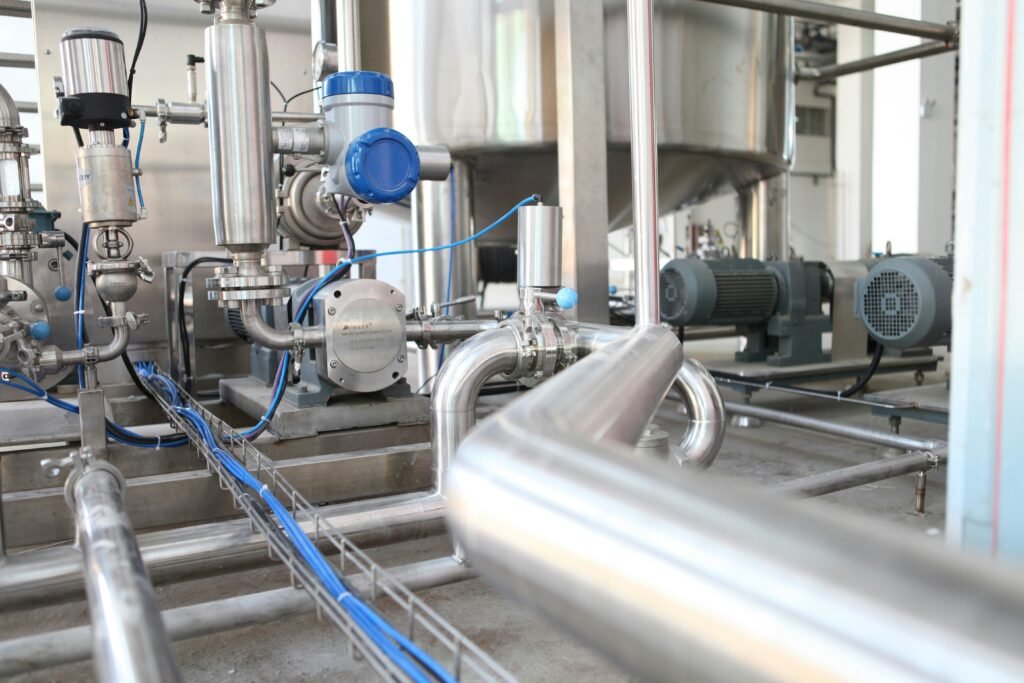

If you are working with liquids or gases in pipelines, a 2 inch flow meter can be a crucial tool for your setup. Flow meters help measure the amount of fluid moving through a pipe, which is very important for industries, households, and even small-scale projects. In this guide, we will explain everything about 2 inch flow meters, their types, benefits, installation, and maintenance tips.
What is a 2 Inch Flow Meter?
A 2 inch flow meter is a device designed to measure the flow of liquids or gases in a pipe that has a diameter of 2 inches. Flow meters come in many designs, but the main purpose is always the same: to help you understand how much fluid is moving through your system.
These meters are popular because 2-inch pipes are common in many industrial and home applications. They are not too big or too small, which makes them ideal for medium-scale flow measurement. You can use them in water treatment, chemical plants, irrigation, and even HVAC systems.
Types of 2 Inch Flow Meters
There are several types of 2 inch flow meters, each suitable for different applications. Here are some common ones:
1. Mechanical Flow Meters
Mechanical flow meters use moving parts like gears or turbines to measure flow. When liquid passes through, it spins the internal part, and this motion is converted into flow readings. They are simple, affordable, and easy to maintain.
2. Ultrasonic Flow Meters
Ultrasonic meters use sound waves to measure fluid velocity. These meters are highly accurate and can measure flow without touching the liquid directly. They are great for clean liquids and are low maintenance.
3. Magnetic Flow Meters
Magnetic flow meters work with electrically conductive liquids. They measure the voltage created when liquid flows through a magnetic field. These meters are excellent for wastewater and chemicals, offering high precision.
4. Coriolis Flow Meters
Coriolis meters measure mass flow instead of volume. They are very precise and can work with almost any type of fluid, including slurries. However, they are more expensive than other types.
Benefits of Using a 2 Inch Flow Meter
Using a 2 inch flow meter comes with many benefits:
- Accurate Measurement: Knowing the exact flow rate helps in process control and efficiency.
- Cost Savings: Monitoring flow prevents wastage of water, fuel, or chemicals.
- Easy Maintenance: Most 2 inch flow meters are easy to install and maintain.
- Versatility: They can be used for liquids, gases, and even slurries depending on the type.
- Safety: In industrial processes, controlling flow prevents accidents caused by overpressure or leaks.
Whether it is for irrigation, manufacturing, or household systems, a 2 inch flow meter can save money and increase efficiency.
How to Install a 2 Inch Flow Meter
Installing a 2 inch flow meter is simple if you follow these steps:
- Choose the Right Location: Make sure the pipe is straight and has no bends for a few meters before and after the meter. This ensures accurate readings.
- Check the Flow Direction: Most meters have an arrow showing which way the fluid should flow. Install it in the correct direction.
- Secure Properly: Use the correct flanges or threads to fix the meter tightly to the pipe. Avoid leaks.
- Calibrate: Some meters need calibration after installation. Follow the manufacturer’s instructions to get precise readings.
- Test: Turn on the flow and check readings to ensure the meter works correctly.
Following these steps will ensure your 2 inch flow meter gives reliable and long-lasting performance.
Maintenance Tips for 2 Inch Flow Meters
Even though flow meters are built to last, proper maintenance keeps them working efficiently. Here are some tips:
- Clean Regularly: Remove debris or sediment that may clog the meter.
- Check for Leaks: Ensure all connections are tight to prevent fluid loss.
- Inspect Moving Parts: For mechanical meters, lubricate or replace worn parts as needed.
- Verify Accuracy: Test the readings occasionally to make sure they are correct.
- Follow Manufacturer Guidelines: Each meter has specific maintenance instructions that prolong its life.
Regular maintenance ensures that your meter lasts longer and performs accurately.
Applications of 2 Inch Flow Meters
A 2 inch flow meter is versatile and can be used in multiple fields:
- Industrial Plants: For chemical, water, and oil flow measurement.
- Irrigation Systems: Helps farmers control water usage efficiently.
- Water Treatment Plants: Ensures proper water distribution and quality control.
- HVAC Systems: Measures water or air flow in heating and cooling systems.
- Food and Beverage Industry: Monitors liquid ingredients during production.
Because of their adaptability, these meters are widely used across many sectors.
Choosing the Right 2 Inch Flow Meter
When choosing a 2 inch flow meter, consider:
- Type of Fluid: Is it clean water, chemicals, or slurry?
- Flow Rate: Ensure the meter can handle the maximum flow in your system.
- Accuracy Needed: Some applications need precise readings; others are fine with approximate values.
- Budget: Mechanical meters are cheaper, while Coriolis and magnetic meters are costlier.
- Maintenance: Consider how easy it is to clean and service the meter.
Matching your flow meter to your needs ensures you get the best performance for your system.
Conclusion
A 2 inch flow meter is a simple yet powerful device that helps measure fluid flow accurately. From industrial plants to home irrigation, it is essential for efficiency, safety, and cost savings. By choosing the right type, installing it properly, and maintaining it regularly, you can ensure your meter serves you well for years.
Whether you need a mechanical, ultrasonic, magnetic, or Coriolis flow meter, 2 inch meters are versatile tools that make fluid management easier and smarter.