
Table of Contents
Introduction to Auto Car Parts (What Are Auto Car Parts?)
Auto car parts are the individual components that make up a vehicle and allow it to function properly. Every car, whether new or old, is built using thousands of small and large parts that work together. These include engine parts, brake parts, electrical systems, body parts, and many others. Without these auto car parts, a car cannot move, stop, or even start.
In simple words, auto car parts are like the body organs of a human being. Just like humans need a heart, lungs, and brain to live, a car needs engine parts, fuel systems, and electrical systems to operate. Each part has a special job, and if one part fails, the whole system can be affected.
Types of Auto Car Parts Explained in Simple Words
Auto car parts are divided into different categories depending on their function. The main idea is that each system in a car works separately but is also connected to others. The engine system is responsible for power, the brake system controls safety, and the electrical system manages signals and energy.
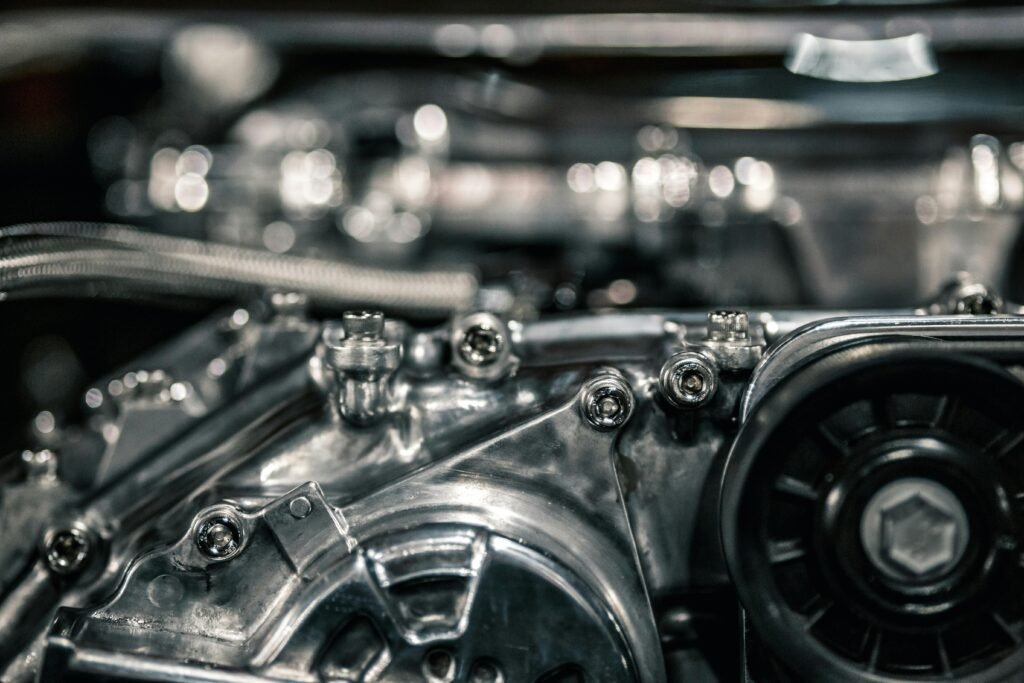
Engine auto car parts are among the most important because they generate the power needed to move the car. These include spark plugs, pistons, valves, and timing belts. If any of these parts fail, the car may stop working completely.
OEM vs Aftermarket Auto Car Parts – Simple Comparison
When buying auto car parts, you will often hear two terms: OEM and aftermarket. OEM stands for “Original Equipment Manufacturer.” These are parts made by the same company that built your car. They are high quality and designed specifically for your vehicle model.
Aftermarket auto car parts, on the other hand, are made by other companies. These parts are designed to fit multiple car brands and are usually cheaper than OEM parts. However, their quality can vary depending on the manufacturer.
How to Choose the Right Auto Car Parts for Your Vehicle
Choosing the right auto car parts is very important because using the wrong part can damage your vehicle or reduce performance. The first step is always to check your car model, manufacturing year, and engine type. Even small differences can affect compatibility.
Every auto part has a specific part number, and matching this number ensures that the part will fit correctly. Many people make the mistake of buying parts only by appearance, which often leads to problems later.
Common Auto Car Parts and Their Functions
Auto car parts play a very important role in keeping a vehicle running smoothly, and some parts are used more frequently than others. One of the most essential components is the engine oil filter and air filter, which help keep the engine clean by removing dirt and harmful particles. The brake system is another critical area, where brake pads and discs work together to ensure the car can stop safely. Over time, brake pads wear down due to friction, which is why they need regular checking and replacement. The car battery is also a key part because it provides the initial power to start the engine and supports electrical systems like lights and air conditioning. Without a healthy battery, the car simply cannot function properly, even if the engine is in good condition.
Another important group of auto car parts includes tires, wheel alignment components, and the cooling system. Tires are the only contact between the car and the road, so their condition directly affects safety, fuel efficiency, and driving comfort. Poor tires or incorrect alignment can cause vibrations, uneven wear, and even accidents. The cooling system, including the radiator and coolant pump, prevents the engine from overheating, especially during long drives or hot weather. When these auto car parts start to fail, the car usually shows clear warning signs such as reduced performance, strange noises, or dashboard alerts. Understanding these parts and their functions helps car owners take better care of their vehicles and avoid expensive repairs in the long run.
Signs Your Auto Car Parts Need Replacement
Every vehicle gives warning signs when its auto car parts start wearing out, but many drivers ignore them until a serious problem happens. One of the most common signs is unusual noise coming from the engine, brakes, or suspension system. For example, squeaking brakes often indicate worn brake pads, while knocking sounds from the engine may point to internal wear or oil problems. Another major sign is reduced fuel efficiency or poor engine performance, which usually means that some engine-related auto car parts are not working properly. In some cases, the car may also become harder to start, which often signals battery or electrical system issues.
Modern cars are also designed with dashboard warning lights that alert drivers about potential problems. These lights should never be ignored because they are directly connected to important auto car parts like the engine, brakes, and transmission system. Vibrations while driving, pulling to one side, or difficulty steering can also indicate suspension or alignment issues. In more serious cases, overheating or electrical failures can occur if cooling system or wiring parts are damaged. Recognizing these early signs helps prevent bigger damage and keeps repair costs low, making regular inspection of auto car parts extremely important for every car owner.
Where to Buy Auto Car Parts (Online and Offline Options)
Buying auto car parts today is much easier than before because there are many options available both online and offline. Local auto parts shops and authorized dealerships are still the most trusted places because they often provide genuine parts with proper warranties. These shops allow customers to physically check the parts before buying, which reduces the risk of getting the wrong item. However, prices at dealerships are usually higher compared to other sources, especially for branded OEM auto car parts.
On the other hand, online platforms have become very popular because they offer a wide variety of auto car parts at competitive prices. Websites and marketplaces allow users to compare products, read reviews, and choose between OEM, aftermarket, or refurbished options easily. Some people also prefer buying used parts from scrapyards or dismantlers because they are much cheaper, especially for older vehicles. However, in such cases, careful inspection is necessary to ensure quality. No matter where you buy, it is important to check seller reputation, warranty, and compatibility to avoid mistakes and ensure long-lasting performance.
How to Maintain Auto Car Parts for Long Life and Better Performance
Proper maintenance of auto car parts is one of the best ways to extend the life of a vehicle and avoid costly repairs. Regular servicing is essential because it helps identify small problems before they become serious. Simple actions like changing engine oil on time, checking brake pads, and inspecting filters can make a big difference in performance. Cleaning and lubricating moving parts also helps reduce friction and wear, allowing the car to run smoothly for a longer time. Many experts believe that regular maintenance can increase the lifespan of auto car parts by several years.
Driving habits also play a major role in how long auto car parts last. Harsh driving, sudden braking, and overloading the vehicle can damage important components faster. On the other hand, smooth driving, proper gear usage, and avoiding unnecessary pressure on the engine help protect the car. Preventive maintenance is always cheaper than emergency repairs, and it also ensures better safety on the road. By taking care of auto car parts regularly, car owners can enjoy better performance, improved fuel efficiency, and fewer breakdowns over time.
Cost of Auto Car Parts Explained (Pricing Factors)
The cost of auto car parts can vary widely depending on several important factors. One of the biggest reasons is the type of part being purchased. Engine components, transmission parts, and electronic systems are usually more expensive compared to body or interior parts. Another major factor is whether the part is OEM or aftermarket. OEM auto car parts are generally more expensive because they are made by the original manufacturer and offer higher reliability. Aftermarket parts are more affordable but may differ in quality depending on the brand.
Brand reputation, availability, and labor costs also affect pricing. Well-known brands usually charge more because they invest in quality control and durability. In some cases, rare or imported auto car parts can also be expensive due to limited supply. Installation charges add to the total cost, especially if the part requires professional fitting. However, it is important to understand that choosing cheaper parts is not always the best option, especially for critical systems like brakes or engine components. Investing in good-quality auto car parts often saves money in the long run by reducing breakdowns and repair frequency.
Final Thoughts on Auto Car Parts and Vehicle Care
Auto car parts are the foundation of every vehicle, and understanding them helps car owners make smarter decisions. From engine systems to brake components, every part plays a specific role in keeping the car safe and efficient. When these parts are properly maintained and replaced on time, the vehicle performs better, lasts longer, and becomes more reliable on the road. Many car problems can be avoided simply by paying attention to early warning signs and choosing quality parts instead of cheap alternatives.
In the end, learning about auto car parts is not just for mechanics—it is useful for every driver. Whether you are buying new parts, comparing OEM and aftermarket options, or simply trying to maintain your car, knowledge always helps reduce costs and improve safety. A well-maintained vehicle is not only more comfortable to drive but also much safer for you and your family.